![[citta murate veneto] Logo Trasp](https://cittamurateveneto.it/wp-content/uploads/elementor/thumbs/citta-murate-veneto-Logo-Trasp-q81hfxb660cjerdzpkmz2g2efhtngv5ypmrebvdwvk.png "[citta murate veneto] Logo Trasp")
![[citta murate veneto] Logo Trasp](https://cittamurateveneto.it/wp-content/uploads/2023/06/citta-murate-veneto-Logo-Trasp-300x300.png)

Treviso
Municipality
Via Municipio, 16
Treviso (TV) – 31100
Luogo di timbratura del Lasciapassare incluso nel kit “Viaggio nel tempo”:
Tourist Office Information Piazza Borsa
Historical overview
Treviso, which is located in an area rich in water resources near the Sile River, has Paleovenetian origins. In Roman times, it became a municipium (an independent city) under the name Tarvisium, representing an important road and commercial hub thanks to its waterways and its proximity to the Postumia Road. After the barbarian invasions, the city experienced a period of prosperity in the Middle Ages as a free commune, becoming a bishopric and distinguishing itself for its cultural liveliness and economic activity. Subject to various rulers during the 12th and 13th centuries, from Ezzelino III da Romano to the Carrarresi family, in 1388 it definitively became part of the territory of the Most Serene Republic of Venice, with which it shared centuries of stability and urban and artistic development. Traces of this period are still visible in the frescoed palaces, walls and canals. After the fall of Venice in 1797, it shared its fate with the Habsburg Empire and later with the Kingdom of Italy. Despite the damages suffered during the world wars, Treviso has managed to preserve its historical heritage and today presents itself as an elegant city, rich in culture and tradition.
City itinerary
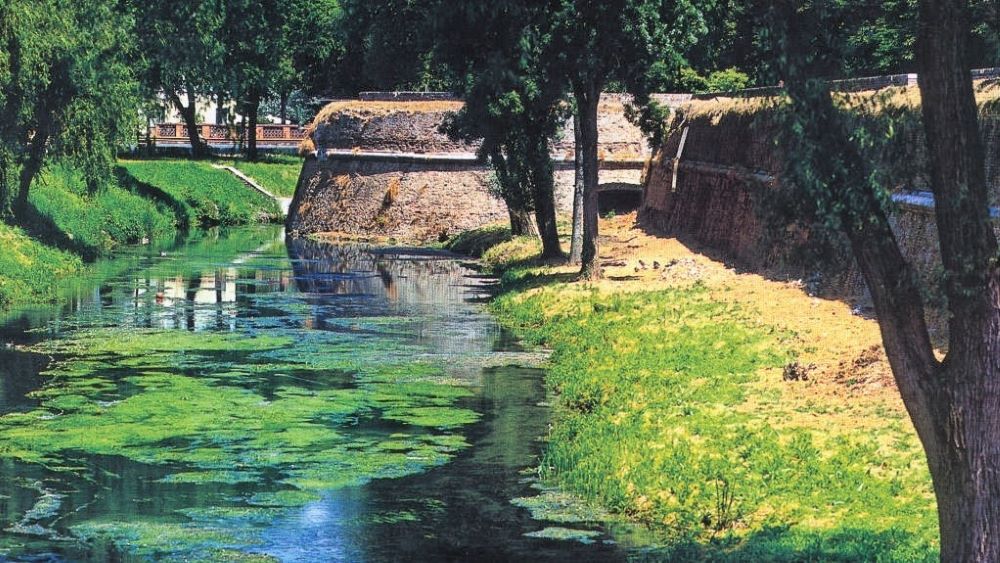
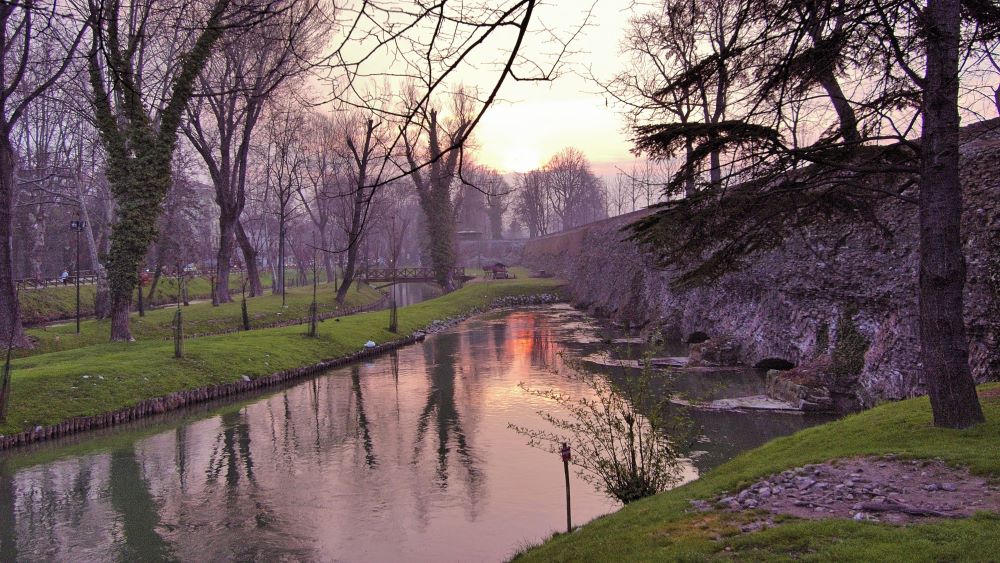
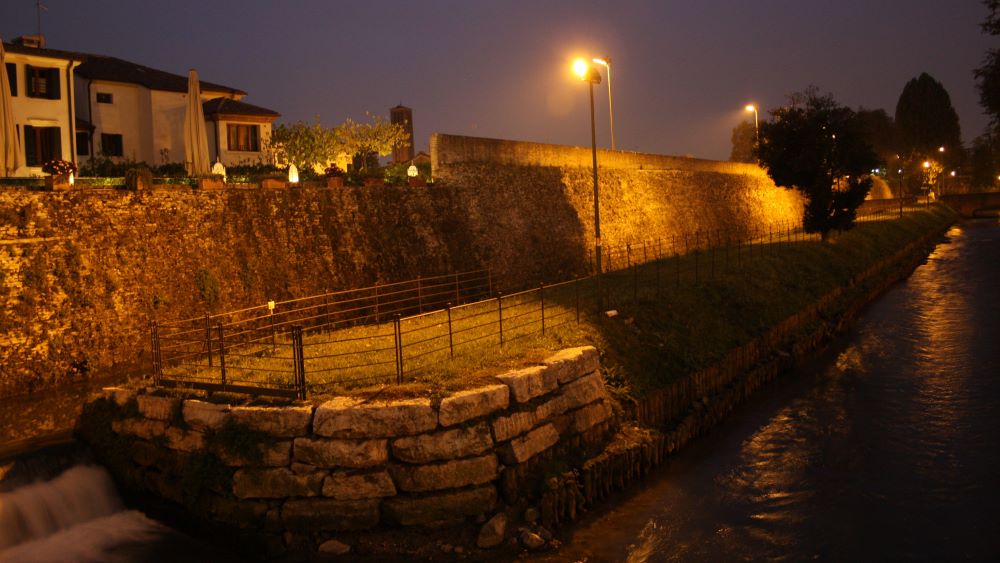
Treviso offers to its visitors an urban landscape rich in history, art and architecture, which gradually unveils itself among quiet canals and frescoed palaces. The city centre is enclosed within Renaissance walls, large sections of which are still preserved, dotted with ramparts and city gates and surrounded by green spaces along the banks of the Sile and Botteniga rivers. These create a unique harmony between nature, landscape and city. The waters surrounding the city branch out into canals that run through the entire centre, creating picturesque views, such as along the Canale dei Buranelli (the Buranelli Canal) or on the Isola della Pescheria (the Fish Market Island).
A visit cannot but start from Piazza dei Signori (lit. the Lord’s Square), the symbolic centre of civic life since the Middle Ages, dominated by the solemn Palazzo dei Trecento (lit. Palace of the Three Hundred Men), seat of the city government since the 13th century. Nearby is also the Loggia dei Cavalieri (lit. the Knights’ Loggia), an ancient gathering place for the municipal nobility, once decorated with ornamental friezes and images of chivalric themes.
Continuing towards Piazza San Vito (lit. St. Vito Square), you will come across two significant sites: the Chiesa di Santa Lucia (the Church of St. Lucy), dating back to the early Middle Ages and a place of popular devotion, and the Chiesa di San Francesco (the Church of St. Francis), an extraordinary example of mendicant Gothic architecture. Inside are 14th-century frescoes and the tombs of Pietro Alighieri and Francesca Petrarca, linking the city to these two major poets.
Just a few steps further north is the monumental complex of the city’s Cathedral, which dates back to early Christian times and was later rebuilt during the Renaissance period. Its interior houses masterpieces such as the medieval crypt and the Cappella Malchiostro (the Malchiostro Chapel), with Titian’s Annunciation and frescoes by painter Pordenone, as well as important sculptures and paintings from different periods. The nearby Romanesque Battistero (the Baptistery) and the Museo Diocesano (the Diocesan Museum) enrich the experience with archaeological finds, illuminated manuscripts and sacred furnishings.
Also not to be missed is a visit to the magnificent Chiesta di San Nicolò (the Church of St. Nicholas), built by the Dominicans between the 13th and 14th centuries and made famous by the cycle of frescoes in the Sala del Capitolo (lit. the Chapter’s Room) of the former convent, painted in the mid-14th century by Tommaso da Modena: a unique European work depicting Dominican scholars with glasses and scientific instruments.
An exhaustive visit to the city should also include exploring its culinary offerings, be it in historic establishments, elegant restaurants, trattorias or taverns. Among the city’s most iconic products are Treviso IGP red radicchio, a staple ingredient in winter cuisine, the traditional sopa coada, porchetta and soppressa, and tiramisù, the famous dessert that originated here. All this goes hand in hand with the wines produced in the Treviso hills, above all Prosecco, the symbol of the local wine-making identity.
Places of Interest
Per visualizzare tutti i luoghi di interesse del Comune di Treviso accedi alla pagina dedicata e filtra i risultati secondo le tue esigenze.